
Do Magnetic Sliding Doors Need Maintenance? A Handover Checklist
 11/15/2026, 12:32 AM
Yes. Plan maintenance for the complete installed magnetic sliding door, even when its drive uses fewer conventional transmission components. The drive, supporting hardware, guides, controls and fitted accessories need to be considered together. The work and service intervals should follow the documentation for the selected configuration and the conditions in which it operates.
For door manufacturers, distributors and installation contractors, automatic sliding door maintenance starts with a clear handover. Before project sign-off, the responsible parties should know which instructions apply, how the equipment can be accessed and where service records will be kept. The checklist below helps organise that information.
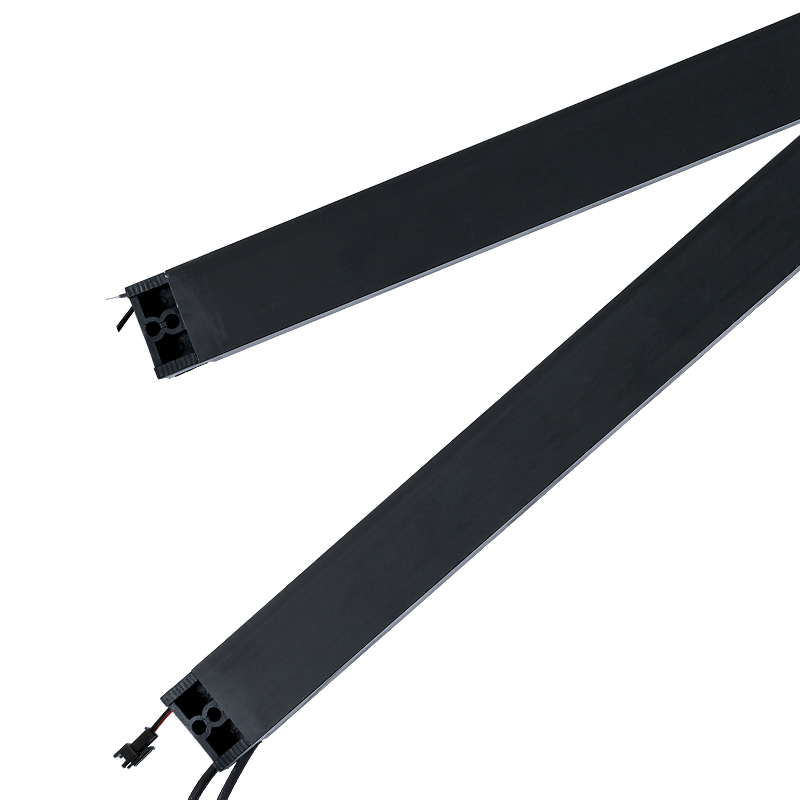
PTADOOR CF-40 drive components shown as a catalogue reference. Handover documents should identify the configuration and parts supplied for the project.
1. Separate the drive description from the maintenance plan
Removing a conventional transmission element from a selected drive does not define the maintenance needs of the whole door. The door leaf still needs the support and guidance specified for its assembly, and the installation may also include locks, activation devices and protective devices.
Our guide to magnetic sliding-door drive, support and guidance explains that distinction. At handover, turn the selected assembly into a document reference: record the operator model, hardware and controller references, drawing revision and fitted accessories. A general label such as “magnetic” or “maglev” does not supply this information.
If a component changes during installation, update the configuration record. The final handover should describe the door that was installed, including items supplied by the door manufacturer, installer or another contractor.
2. Collect the documents for the installed configuration
Ask for the current instructions that apply to the chosen model and assembly. Keep the document title, version or date with the configuration record, so a later technician can identify the appropriate reference.
| Handover item | What to record | Evidence to retain |
|---|---|---|
| Configuration | Operator, controller, supporting hardware and accessory references | Final parts list and assembly drawing revision |
| Operating information | Intended modes, activation method and agreed power-interruption behaviour | Applicable instructions and configuration record |
| Maintenance scope | Routine work, professional service tasks and interval basis | Manufacturer instructions and project service plan |
| Service access | Access to covers, connections and replaceable components | Access drawing or agreed installation record |
| Support arrangements | Responsible supplier, installer and local service contact | Agreed contact and supply-scope information |
Use the operator specification and supply-scope checklist to distinguish a drive component, an operator assembly and a complete installed door. Confirm who provides the remaining hardware, installation and service documents for the project.
3. Agree who performs routine work and professional service
The handover should identify the routine observations or cleaning permitted by the applicable instructions, together with the work that requires a qualified service person. A general article cannot define the cleaning method, lubrication points or adjustment procedure for every magnetic operator.
For the building operator, the useful information is practical: what observations should be recorded, which instructions should be followed and who should be contacted if the door's behaviour changes. The service provider needs the technical references for the installed equipment and the agreed service scope.
Keep fault reporting separate from repair instructions. A record that the door hesitated, remained open or made an unusual sound can help the service team assess the situation. It does not establish the cause or authorise an adjustment to the mechanism or controls.
4. Set intervals from the model and the installation conditions
Record the basis for the service schedule. Relevant information may include the manufacturer's instructions, usage or operating cycles, the installation environment and project requirements. Confirm how changes in use will be reviewed.
A lightly used interior partition and a frequently used passage may need different service planning. Likewise, the maintenance instructions for one operator should not be transferred to another model simply because both use magnetic drive technology.
Ask the responsible supplier and service provider to resolve any missing interval or procedure before handover. Record an unresolved item explicitly rather than filling it with an assumed monthly, quarterly or annual schedule.
5. Keep service access and part references usable
Show how the service person can reach the components identified in the applicable instructions. Record the removable covers or access points and keep the relevant drawing with the handover pack. For concealed installations, agree this before the surrounding finishes are completed.
Our slim-profile integration guide covers installation and access planning. The handover task is to retain the agreed access information, so later service work can refer to the actual assembly.
Keep the references of fitted parts and any replacements with the service history. When ordering a replacement, give the supplier the configuration and component references and ask for compatibility confirmation. A similar appearance alone does not identify an interchangeable part.
6. Use a service record that follows the door
Keep one identifiable record for each installation. The following template can be copied into the project handover pack and completed by the responsible parties.
| Record field | Entry to complete |
|---|---|
| Door location and identification | Location, project reference and equipment identification where available |
| Configuration and documents | Model, parts list, drawing revision and instruction references |
| Visit or observation | Date, reported behaviour and reason for the visit |
| Work performed | Inspection, service or repair completed, with reference to the applicable procedure |
| Replacement parts | Part reference, quantity and relevant supplier confirmation |
| Outcome and follow-up | Recorded outcome, unresolved items, responsible person and next action |
| Record ownership | Person completing the entry and where the record is retained |
Update the record when the configuration changes. A parts list and service history are most useful when they remain linked to the same door and document revision.
7. Confirm the handover before project sign-off
Before completing the project, check five questions:
- Can the installed configuration and fitted accessories be identified?
- Are the applicable operating and maintenance instructions available?
- Are the routine-work boundary, professional service scope and interval basis recorded?
- Is service access documented, with useful part references retained?
- Does the owner know the responsible contacts and where the service history is kept?
For a component enquiry, the PTADOOR CF-40 linear-drive reference is a starting point for discussing supply scope. Ask for the current information applicable to the proposed assembly, and identify the supporting hardware, installation work and local service arrangements provided by the other parties.
Contact PTADOOR with your model or proposed configuration to confirm the available technical documents and component supply scope. Keep those references with the final project drawings and handover record.