
Automatic Sliding Doors During Power Failure: What to Specify
 11/17/2026, 05:58 PM
An automatic sliding door's normal opening method does not tell you what happens when its power supply is interrupted. A push button, sensor or push-to-open function describes an activation request. Manual movement without power, lock release and powered movement from a backup supply are separate behaviours that need a defined configuration.
For door manufacturers, distributors and installers, the useful starting point is a written operating requirement. Record what the door should do, what the supplier confirms for the proposed assembly, and what remains to be verified during project handover. This guide explains how to prepare that record for an interior sliding-door enquiry; it does not describe a standard power-loss function for every PTADOOR model.
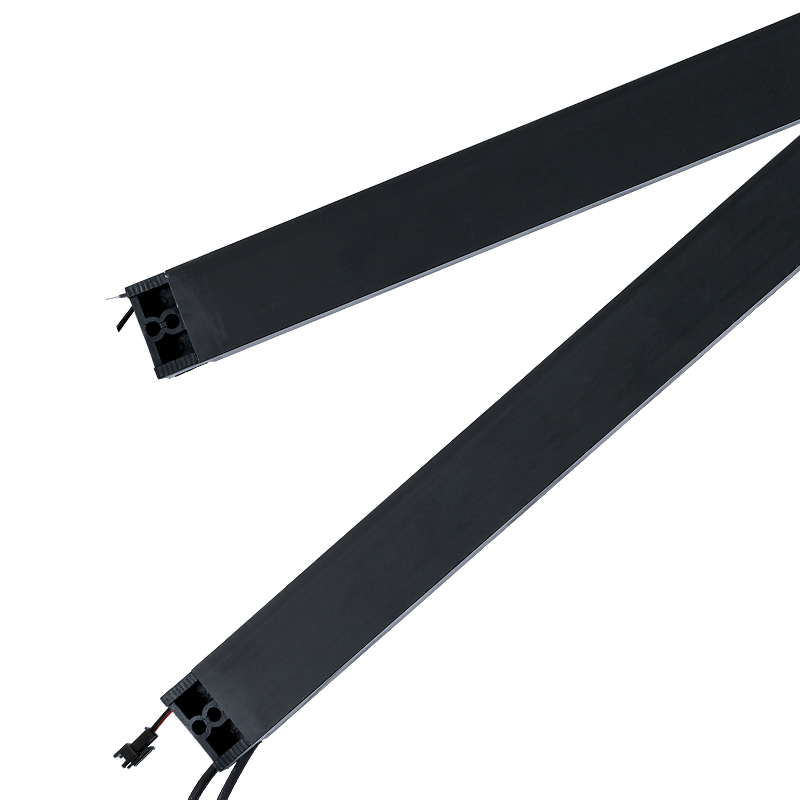
CF-40 catalogue reference; no lock or backup-power function is implied.
1. Separate four different requirements
| Requirement | The purchasing question |
|---|---|
| Normal powered activation | Which button, sensor or control input requests opening while the system has power? |
| Manual movement without power | Can the specified leaf and mechanical assembly be moved manually, and what conditions apply? |
| Lock behaviour | What happens to each installed lock when its own power supply changes? |
| Powered movement using backup energy | Is a supported backup arrangement included, and exactly which functions are documented? |
The word “manual” needs context. Manually pushing a powered door to trigger an opening cycle is different from physically moving a door when the operator has no power. Likewise, a lock releasing does not mean a motor will drive the leaf to an open position.
Our guide to push buttons, sensors and controls covers normal activation choices. Keep that selection separate from the power-interruption requirements in your quotation.
2. Describe the complete door and its power boundaries
Give each proposed door a reference. Include the opening arrangement, leaf material, leaf dimensions, weight per moving leaf and available mounting space. Identify the proposed operator and controller, together with the drawing and parts-list revisions used for the enquiry.
Then list the operator supply, locking equipment, activation devices and any separate access-control equipment. Ask which items share a supply and which are powered separately. A statement about the operator alone may leave the lock or an external controller unresolved.
For a magnetic sliding-door proposal, the drive technology is only part of that description. Mechanical support, guidance and the actual leaf assembly still affect how the door can be used. The CF-40 drive components provide a product starting point; the behaviour of a complete quoted assembly needs its own confirmation.
3. Write the required sequence across three stages
Describe the normal operating mode before interruption, the intended condition while power is unavailable, and the required behaviour after power returns. Specify each moving leaf and each lock separately where the arrangement needs it.
| Stage | Record these details |
|---|---|
| Before interruption | Door reference, selected mode, starting leaf position and lock condition. |
| During interruption | Intended leaf position, whether manual movement is required, lock condition, and any proposed backup function. |
| After restoration | Whether movement, waiting for an activation request, a learning sequence or another documented process is expected; who confirms readiness for normal use. |
These are fields to agree, not selectable functions promised for every controller. Ask the supplier to identify the applicable instructions and any configuration limits for each requested behaviour. “To be confirmed” is more useful than copying a function from a different model's brochure.
4. Define any backup proposal precisely
If backup operation is needed, ask for the supported equipment and intended outcome. Record whether the proposal is for a particular movement, a defined operating period or another documented function. Ask which connected items are included in that proposal and what evidence supports the stated capability.
Do not infer a battery option, operating duration or cycle count from a product photograph or a generic “automatic door” description. Those details require model-specific documentation and an agreed configuration. A backup requirement may also change the proposed supply scope, so it belongs in the enquiry before quotations are compared.
5. Keep requirements, confirmations and observations separate
Use three columns in the project record: required behaviour, supplier-confirmed configuration, and handover evidence. A request in the first column does not become a product capability until the corresponding configuration is confirmed.
At handover, record the document reference, responsible person, date, starting mode and result for each agreed item. The project team should determine the appropriate verification procedure using the applicable instructions. This record is not a procedure for disconnecting supplies, bypassing locks or altering protective devices.
If the opening has an escape-route, fire-separation or other special building function, identify that before operator selection. Its required behaviour needs a project-specific assessment; a general drive description cannot establish that suitability.
6. Prepare a configuration review with PTADOOR
Send the door reference, drawings, moving-leaf details, desired activation method and the three-stage behaviour record. List the operator, controller, locks, separate supplies and any requested backup equipment, marking each as included, optional, buyer supplied or to be confirmed.
Use the operator specification and quotation checklist to organise the wider enquiry. Keep the agreed power-loss record with the maintenance and handover documents, so later readers can identify the configuration being discussed.
Contact PTADOOR for a configuration review. We can use the supplied door and operating requirements to discuss the appropriate product and scope; the enquiry should not assume an unconfirmed lock, backup or restart function.
Common purchasing questions
Does manual opening mean the door opens automatically during an outage?
No. Manual movement and powered automatic movement are different outcomes. Have the proposed configuration's behaviour documented explicitly.
Does push-to-open prove that manual movement is available without power?
No. A push may be an activation input while the operator is powered. Confirm operation without power separately for the specified door assembly.
What should a power-loss quotation include?
The door and operator references, relevant controller and lock details, the required three-stage sequence, any confirmed backup equipment, the supply boundary and the supporting document references.